
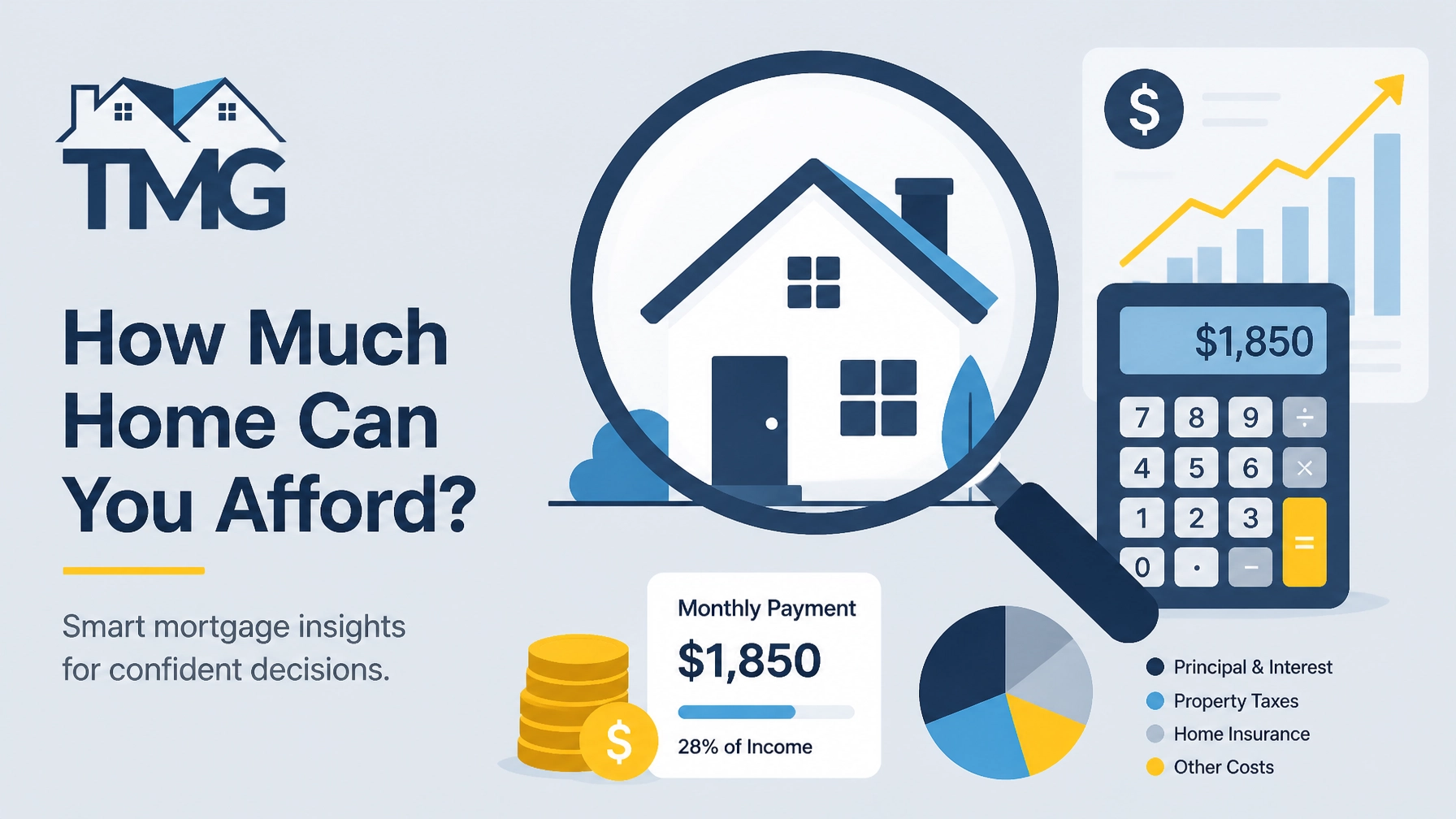
With the UK real estate market constantly evolving and interest rates stabilizing in 2026, understanding your true borrowing capacity has become more critical than ever. For many prospective homebuyers, the initial question of "how much can I borrow mortgage" is often met with a confusing array of online estimates and conflicting advice. While the dream of homeownership remains a cornerstone of financial security, the path to securing a mortgage is paved with rigorous affordability assessments that go far beyond a simple calculation of your annual salary.
To navigate this complex landscape, you must transition from a passive observer to an active manager of your financial profile. This guide is designed to demystify the lender’s decision-making process and provide you with actionable strategies to enhance your affordability. By following a structured approach to your finances, you can move closer to securing a deal that aligns with your long-term goals without the unnecessary stress of application rejection.
The Evolution of Mortgage Affordability: Beyond the 4.5x Rule
Historically, many buyers relied on the "rule of thumb" that they could borrow approximately 4.5 times their gross annual income. While this income multiple remains a foundational component of many lending policies, it no longer serves as the definitive answer. In today’s market, lenders have shifted toward a holistic "affordability-based" model. This means that while your income sets the ceiling, your outgoings determine the floor.
When a lender assesses your application, they are not just looking at what you earn; they are scrutinizing what you have left after all your commitments are met. Several variables now carry significant weight in the final decision:
- Net Disposable Income: The actual amount of cash remaining after taxes, insurance, and essential living costs.
- Contractual Obligations: Regular payments for car finance, personal loans, and student debt.
- Future Interest Rate Resilience: A "stress test" to ensure you could still afford repayments if interest rates were to rise significantly in the future.
- Dependency Ratios: How many individuals rely on your income for their daily needs.
Understanding this shift is the first step toward a successful application. To get a preliminary idea of where you stand, utilizing a robust mortgage calculator can provide a more nuanced view than a basic salary multiplier.
Tactical Debt Reduction: The Key to Borrowing More

One of the most effective ways to boost your borrowing power is to reduce your fixed monthly commitments. In the eyes of a mortgage lender, a £300 monthly car finance payment is not just a bill; it is a direct reduction in the amount of mortgage interest you can afford to service. By clearing or reducing these debts before you apply, you effectively "unlock" thousands of pounds in potential borrowing capacity.
If you are planning to buy a home within the next six to twelve months, you should consider the following debt-management strategies:
- Consolidate or Clear High-Interest Debt: Prioritize paying off credit cards or short-term loans that carry high monthly minimum payments.
- Avoid New Financing: Refrain from taking out new car finance or "buy now, pay later" agreements in the months leading up to your application.
- Review Your Debt-to-Income Ratio: Aim to keep your total monthly debt repayments well below 30% of your gross monthly income.
Reducing your debt does more than just satisfy an affordability algorithm; it demonstrates to a lender that you are a disciplined borrower with a clear understanding of your financial limits. This pragmatic approach is essential for anyone looking to maximize their potential in a competitive market.
Grooming Your Finances: The Three-Month Window

Lenders typically require at least three months of bank statements to verify your income and spending habits. This period is effectively a "financial audition," where every transaction is categorized and reviewed. To present yourself as a low-risk candidate, you must "groom" your statements to show stability and restraint.
During this critical window, your spending behavior should reflect a lifestyle that is compatible with future mortgage repayments. Lenders look for specific red flags that might suggest financial instability:
- Unarranged Overdraft Usage: Frequently dipping into an unauthorized overdraft suggests a lack of liquidity.
- Excessive Discretionary Spending: While lenders expect you to have a life, high-frequency gambling transactions or excessive luxury purchases can raise concerns about your ability to prioritize a mortgage payment.
- Undocumented Transfers: Frequent, large transfers to friends or family members may require an explanation or suggest undisclosed financial obligations.
By maintaining a "clean" set of statements, you provide the lender with the confidence they need to approve your application. If you are unsure how your recent spending might be perceived, seeking mortgage application help can help you identify and rectify potential issues before they reach a lender’s desk.
The Power of the Deposit: Why 15% is the Strategic Choice
While it is possible to secure a mortgage with a 5% deposit, your affordability and interest rate options expand significantly as your deposit grows. In 2026, the "sweet spot" for many homebuyers is the 15% deposit mark. Moving from a 90% Loan-to-Value (LTV) to an 85% LTV often triggers a noticeable drop in interest rates, which in turn reduces your monthly payment and improves your affordability score.
A larger deposit serves two primary functions:
- Equity Cushion: It reduces the risk for the lender, as you have more "skin in the game" and the property value would have to drop significantly before the lender loses money.
- Reduced Monthly Liability: By borrowing less, your monthly repayments are lower, making it easier to pass the lender’s strict disposable income tests.
For those struggling to save the final portion of their deposit, exploring different avenues such as a gifted deposit can be a viable strategy to bridge the gap and secure a more favorable lending tier.
Why a Mortgage Broker is Your Best Asset

Navigating the mortgage market alone is a daunting task that often leads to missed opportunities or, worse, rejected applications. The role of a professional mortgage broker is to act as your advocate, using their expertise and market access to find the specific lenders whose criteria align with your unique financial situation.
Every lender has its own "niche." Some are more lenient with self-employed income, while others offer better terms for professionals or first-time buyers. A broker’s value lies in their ability to filter through thousands of products to find the one that maximizes your borrowing power while minimizing your costs.
By working with an expert, you benefit from:
- Impartial Recommendations: Access to a wide range of lenders, including those who do not deal directly with the public.
- Efficient Processing: A professional handles the heavy lifting of the application process, ensuring all documentation is accurate and submitted on time.
- Tailored Advice: Guidance on how to present your income, especially if it includes complex elements like overtime or bonuses.
Achieving Your Homeownership Goals

Ultimately, the journey to a successful mortgage offer is about preparation and clarity. While the question of "how much can I borrow mortgage" may seem overwhelming at first, breaking the process down into manageable steps: such as debt reduction, statement grooming, and strategic deposit saving: makes the goal attainable.
With the right preparation and expert support, the stress of the application process can be replaced with the excitement of moving into your new home. Whether you are a first-time buyer or looking to remortgage for a better deal, taking a proactive stance on your affordability is the most reliable path to success.
To further your knowledge and prepare for your homebuying journey, we invite you to explore our Mortgage Genius Free Guides, which offer deeper insights into the secrets lenders often keep to themselves. When you are ready to take the next step, our team at Mortgage Genius is here to provide the expert, impartial advice you need to secure your financial future.
Secure your future today. Contact Mortgage Genius for personalized advice and access to the best mortgage deals in the UK. We handle the complexity so you can focus on finding your perfect home.
